Foreclosure Filings Surge 32% as Trend Hits 11th Straight Month
Min 1:
Foreclosure activity just hit its 11th consecutive month of year-over-year increases.
Total filings reached 40,534 properties in January 2026—up 32% from January 2025 according to ATTOM data released in February.
Here's the bigger story: completed foreclosures jumped 59% year-over-year. Banks repossessed 4,714 properties in January.
That's down 21% from December but way up from last year. Lenders are finally working through the massive backlog built up during pandemic moratoriums.
Nationwide, one in every 3,547 housing units had a foreclosure filing in January.
Delaware had the worst rate with one in every 1,612 homes affected. Nevada came in second at one in 1,983, followed by Florida at one in 2,067.
Rob Barber, CEO of ATTOM, put it simply: "Foreclosure activity in January rose year over year for the eleventh straight month, continuing a trend that has now carried into early 2026."
Min 2:
The numbers tell a story of returning to normal—not a crisis.
Overall foreclosure levels remain well below historic peaks. During the 2010 foreclosure crisis, the numbers were massively higher. Today's increases signal that most homeowners are still on stable footing.
Lenders initiated foreclosure proceedings on 26,369 properties in January—down 7% from December but up 26% from a year ago.
Florida led with 3,523 foreclosure starts, followed by Texas with 3,116, California with 2,790, Georgia with 1,351, and New York with 1,304.
Among major metros, New York City had the most foreclosure starts at 1,295, followed by Chicago with 1,053, Houston with 1,040, Miami with 851, and Los Angeles with 781.
These are big cities with lots of properties, so raw numbers matter less than rates.
If you're looking at distressed properties, the pipeline is filling up. Lenders sat on problem loans for years during pandemic moratoriums.
Now they're finally moving forward with foreclosures that should've happened in 2021 or 2022.
Min 3:
Compare today's foreclosure environment to 2010 and it's night and day.
Back then, subprime mortgages collapsed, homeowners went massively underwater, and foreclosures hit every neighborhood. Today, most homeowners have huge equity cushions protecting them.
The average homeowner holds hundreds of thousands in equity. Even if they're struggling with payments, they can sell and walk away with cash instead of facing foreclosure.
That's why foreclosure rates stay relatively low despite economic pressures.
Trenton, New Jersey posted the highest foreclosure rate among metros with over 200,000 people—one filing for every 1,087 housing units.
Punta Gorda, Florida came in second at one in 1,187, followed by Fayetteville, North Carolina at one in 1,257.
Buy foreclosed properties in these high-rate metros and you're acquiring real estate at discounts.
Banks want these properties off their books. They'll negotiate on price to avoid holding costs, property taxes, and maintenance expenses on vacant homes.
Min 4:
Individual investors beat institutional buyers when buying foreclosures.
You can move fast, pay cash if you've got it, and close quickly. Big institutions have committees, approval processes, and bureaucracy that slows them down.
The foreclosure auction marketplace is returning to normal after years of disruption. Completed foreclosure auctions increased 31% in Q3 2025 to a 10-quarter high.
Despite that increase, volume still sits at just 56% of pre-pandemic Q1 2020 levels.
Small investors buying distressed properties at auction are getting more confident about the retail market.
They typically renovate for 3-6 months then list for sale or rent. Rising buyer sentiment among this group signals they expect solid retail markets in 2026.
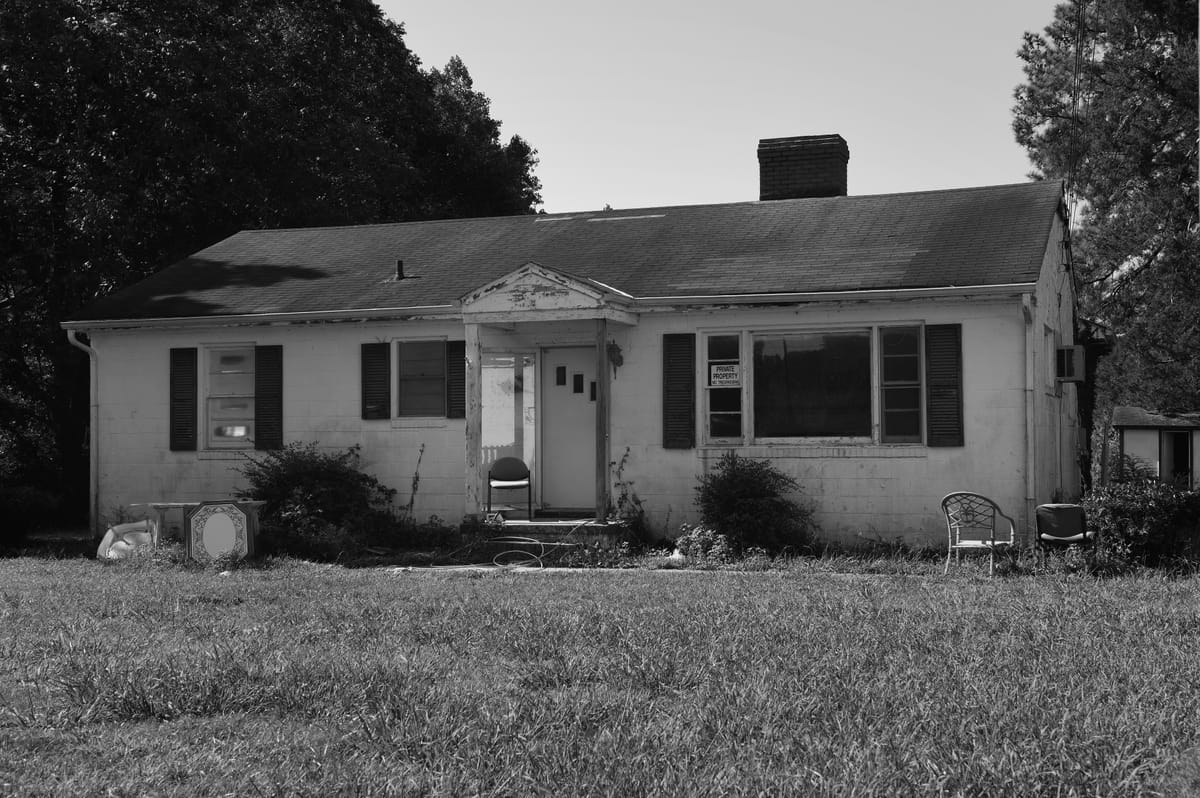
The risk is that you're buying properties that have been sitting vacant—often in rough shape with deferred maintenance, vandalism, or worse.
Budget for extensive repairs. Get thorough inspections. Assume the worst and be pleasantly surprised if it's better.
Min 5:
Anyone can access foreclosure listings through county records, auction websites, and real estate platforms.
You don't need special connections—just willingness to do research and act quickly when opportunities appear.
With foreclosure starts up 26% year-over-year and completed foreclosures up 59%, the supply of distressed properties is growing.
That creates opportunity for investors who can close fast and handle renovation projects.
Montana, Vermont, and South Dakota had the lowest foreclosure rates—these aren't distressed markets.
Focus on Delaware, Nevada, Florida, South Carolina, and Maryland where foreclosure rates run highest. More supply means better deals.
Rising foreclosures actually signal a healthier housing market. For years, servicers delayed foreclosures hoping prices would recover enough for homeowners to sell.
Now that home price appreciation has slowed, they're moving forward and recycling distressed properties back into retail supply as affordable inventory.
Takeaway:
Foreclosure filings rose 32% year-over-year in January 2026 to 40,534 properties—the 11th consecutive month of increases according to ATTOM data.
Completed foreclosures surged 59% as lenders finally cleared the backlog built during pandemic moratoriums.
Nationwide, one in every 3,547 housing units faced foreclosure. Delaware had the worst rate at one in 1,612 homes, followed by Nevada at one in 1,983, and Florida at one in 2,067.
Major metros like New York, Chicago, and Houston led in total foreclosure starts.
Individual investors win because foreclosure supply is increasing while institutional buyers face approval delays.
Banks want distressed properties off their books quickly—creating negotiating leverage for cash buyers who can close fast.
The trend signals market normalization, not crisis. Most homeowners have massive equity cushions protecting them from foreclosure.
Today's increases reflect lenders finally processing cases delayed for years, recycling distressed properties back into retail supply as affordable inventory.
Move in the next 60-90 days to acquire foreclosed properties in high-rate states like Delaware, Nevada, and Florida.
Research county auction calendars, prepare financing or cash reserves for quick closes, budget for extensive renovations on vacant properties, and focus on metros where foreclosure rates exceed one in 2,000 homes.
Wait until spring and competition intensifies as more investors recognize the growing supply of distressed inventory.