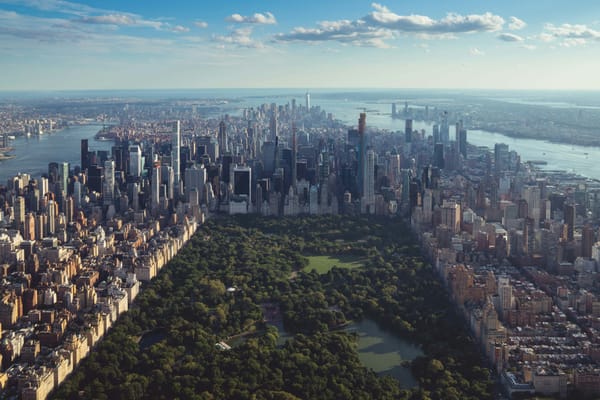
NYC's Conversion Gold Rush

Min 1
Empty Midtown towers are becoming rental apartments faster than at any point in modern development history. Developers started 9.5 million square feet of office-to-residential conversions in early 2026, shattering the previous year's 4.3 million square feet. Bisnow tracked construction commencements through mid-January showing the surge exceeds NYC's last conversion peak from 2008 by 85%. That means obsolete office stock is transforming into housing at unprecedented scale, driven by temporary tax incentives expiring mid-2026. The race created a development window where savvy operators capture subsidies worth $5.6 billion in present value terms while repositioning distressed assets bought at 37% discounts to 2019 pricing.
Min 2
The 467-m tax incentive program delivered the economics that make conversions profitable. NYC's Comptroller analysis shows projects starting by June 2026 qualify for escalating tax breaks that decline sharply for later deadlines. Properties that begin renovation before the cutoff lock in 25-year exemptions worth approximately $386,000 per unit in present value. TF Cornerstone returned to conversion projects after nearly 20 years away, securing a $159 million ground lease for Tower 57 in August. They're transforming the nearly vacant 430,000-square-foot Midtown building into 350 mixed-income apartments. The firm also announced a $1 billion joint venture with Dune Real Estate to target conversions nationwide. The investor payoff compounds when you layer falling acquisition costs onto the tax benefit. Buildings selling at $463 per square foot in 2019 traded at $266 per square foot in 2023, a 37% price decline that makes the conversion math work even with $109 per square foot renovation costs.
Min 3
Rental units dominate the pipeline because the economics favor multifamily over condos. By 2028, conversions will deliver 6,540 rental apartments versus just 242 condos, according to developer projections compiled by Bisnow. The 467-m incentive only applies to rental projects with 25% income-restricted units, pushing developers toward multifamily structures. The dollar comparison shows why. A 350-unit rental conversion at Tower 57 generates stabilized cash flow within 18 months of lease-up, while condo conversions face 36 to 48-month sellout timelines and market price risk on every unit. Rental projects also handle the awkward floor plates that make conversions challenging. Developers cut light wells, repurpose deep floor plates for amenities, and add mechanical floors without worrying about individual buyer preferences. Your rental building absorbs layout inefficiencies that would kill condo sales.
Min 4
The competitive advantage runs through 2026 but narrows rapidly after the June deadline. Projects that miss the mid-2026 window face reduced tax benefits that drop the incentive value by 30% for starts before 2028 and 50% for starts before 2031. Northwind Group, Vanbarton Group, and Metro Loft are moving fastest, with multiple projects hitting construction starts in Q1 2026. The winner in this race isn't the developer with the best design but the operator who executes conversions ahead of the subsidy cliff. Small players with local knowledge and entitlement experience can undercut institutional buyers who need 90 days for committee approvals. You identify the building, lock the acquisition, and start demolition while slow-moving capital is still modeling the deal.
Min 5
The conversion boom democratizes access to Manhattan residential development without ground-up construction risk. Pre-war office buildings with operable windows and shallow floor plates convert cleanly into apartments, bringing housing supply to neighborhoods that haven't seen new residential construction in decades. This trend extends beyond New York into secondary markets where tax incentives and zoning changes replicate the NYC playbook. Washington DC's Housing in Downtown program offers 20-year tax abatements with funding rising to $41 million by 2028. Los Angeles updated its Adaptive Reuse Ordinance in January 2025 to streamline conversions citywide. The national office-to-residential pipeline hit 70,700 units in 2025, up 28% year-over-year, with conversion projects accounting for 42% of all adaptive reuse developments.
Takeaway
The NYC conversion window closes mid-2026 as the most generous 467-m incentives expire. Operators who secure buildings and start construction before June capture tax benefits worth $386,000 per unit while competition remains manageable. By fall 2026, the easy deals close and remaining inventory faces reduced subsidies and compressed margins. The broader conversion trend continues nationwide but NYC's current surge represents a once-per-cycle opportunity where policy, distressed pricing, and tax incentives align. Position before the institutional capital recognizes the trade and bids up acquisition prices on remaining conversion candidates.